Common Home Hazards for Seniors (And Simple Fixes That Make a Big Difference)
As we age, the place we love most—our home—can quietly become more dangerous than we realize. Many of the most serious injuries seniors experience don’t happen outside the home. They happen on familiar stairs, in bathrooms, or during everyday activities we’ve done for decades.
At Central Illinois Stairlift, we’ve seen firsthand how small hazards can turn into major obstacles—and how simple home modifications can dramatically improve safety, independence, and peace of mind.
This guide walks through the most common home hazards for seniors and offers practical, affordable fixes that help make aging in place safer and more comfortable.
1. Stairs: The #1 Fall Risk in the Home
Stairs are one of the leading causes of falls for older adults. Even a single step can become dangerous when balance, strength, vision, or joint health changes.
Common Stair Hazards
Steep or narrow staircases
Worn or slippery steps
Missing or loose handrails
Poor lighting on stairs
Carrying items up and down
Many seniors begin avoiding stairs altogether—not because they want to, but because they don’t feel safe anymore.
Simple Stair Safety Fixes
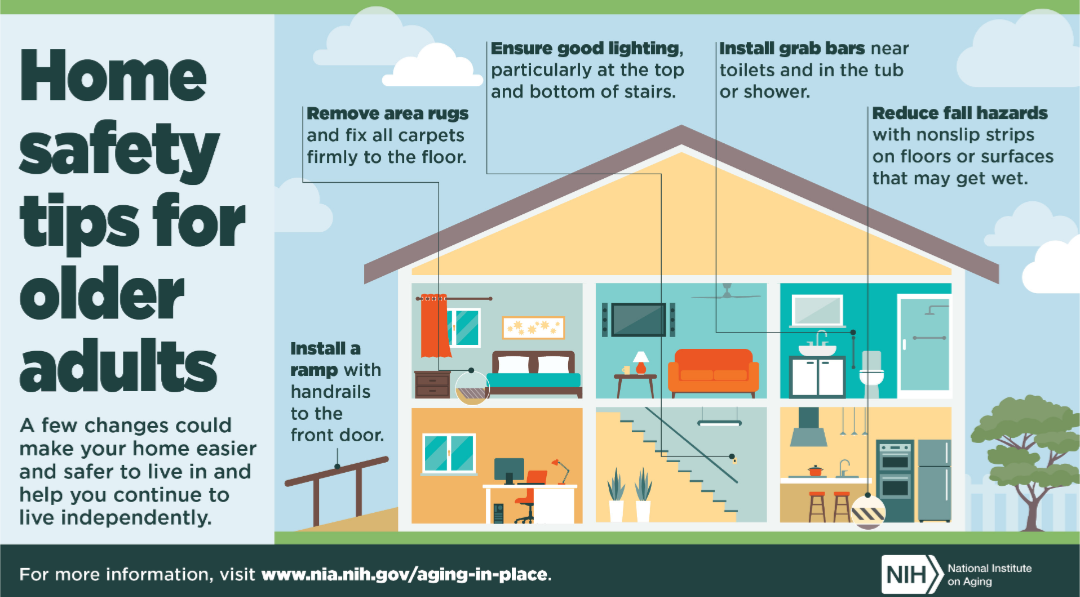
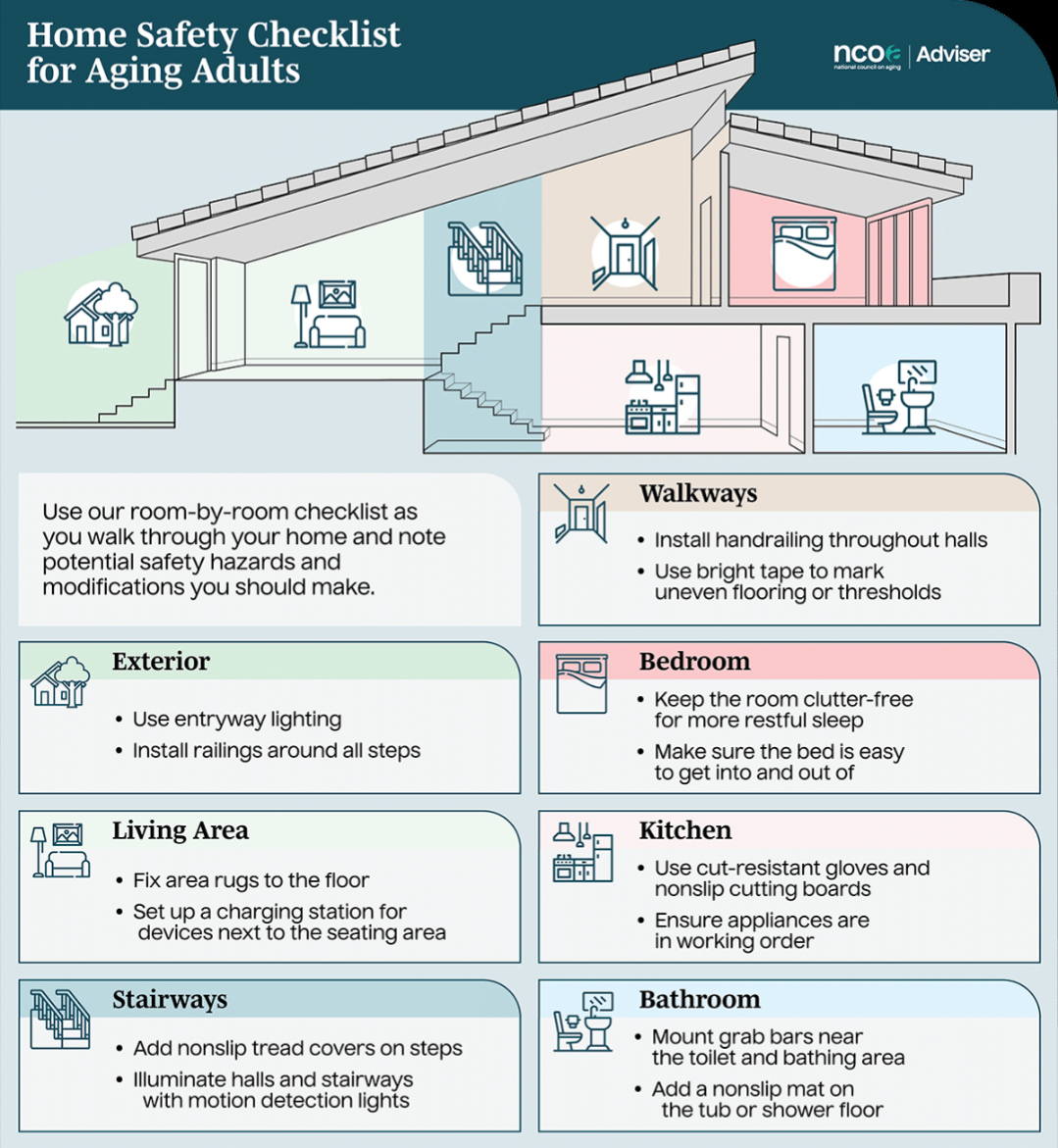
Install sturdy handrails on both sides of the staircase
Add non-slip stair treads or grip tape
Improve lighting at the top, bottom, and along stairways
Keep stairs clutter-free at all times
When a Stairlift Makes Sense
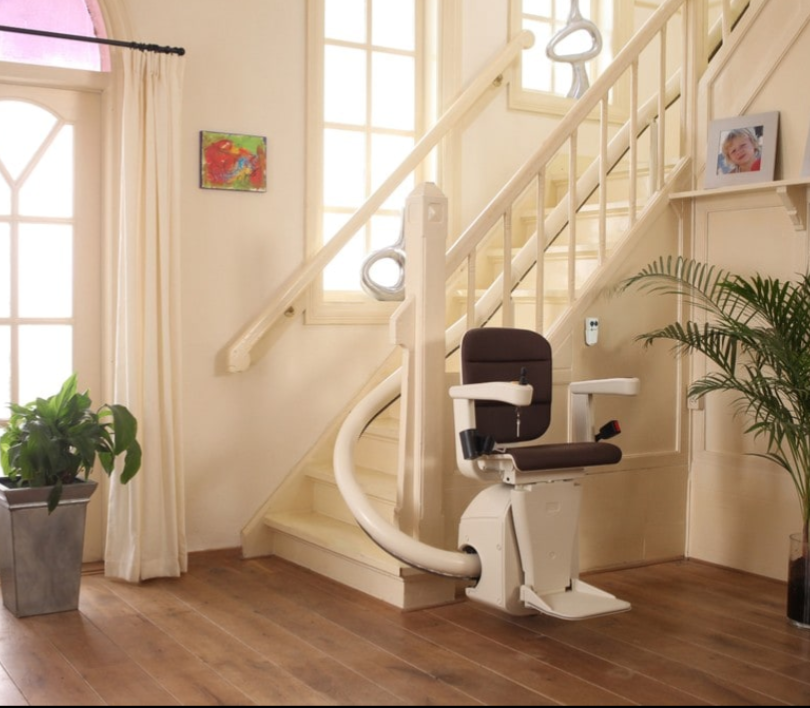
If stairs are limiting access to bedrooms, laundry areas, or basements, a stairlift can be a life-changing solution. A stairlift allows seniors to safely ride up and down the stairs while seated, eliminating the risk of falls and restoring access to the entire home—without the need to move.
A professional stairlift installation in Illinois can often be completed in just a few hours and requires no major remodeling.
2. Bathrooms: Small Space, Big Danger
Bathrooms are one of the most hazardous areas in any home. Water, tile floors, and tight spaces create the perfect conditions for slips and falls.
Common Bathroom Hazards
Slippery tubs and shower floors
Stepping over high tub walls
Low toilets that are hard to sit on or stand from
Lack of grab bars
Poor lighting, especially at night
Simple Bathroom Safety Fixes
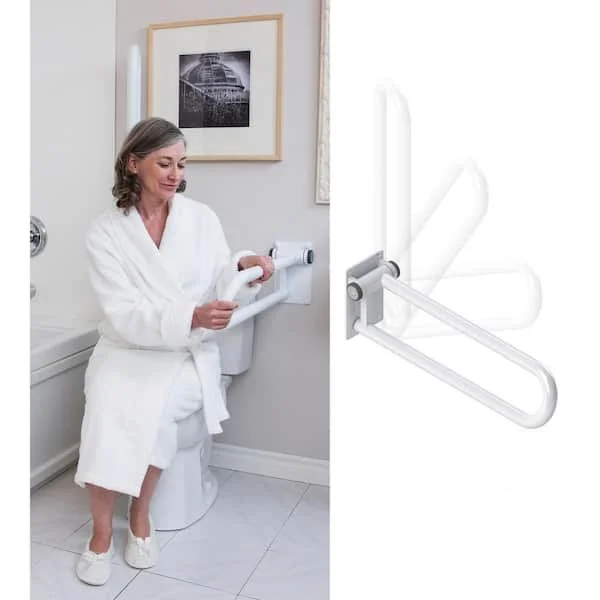
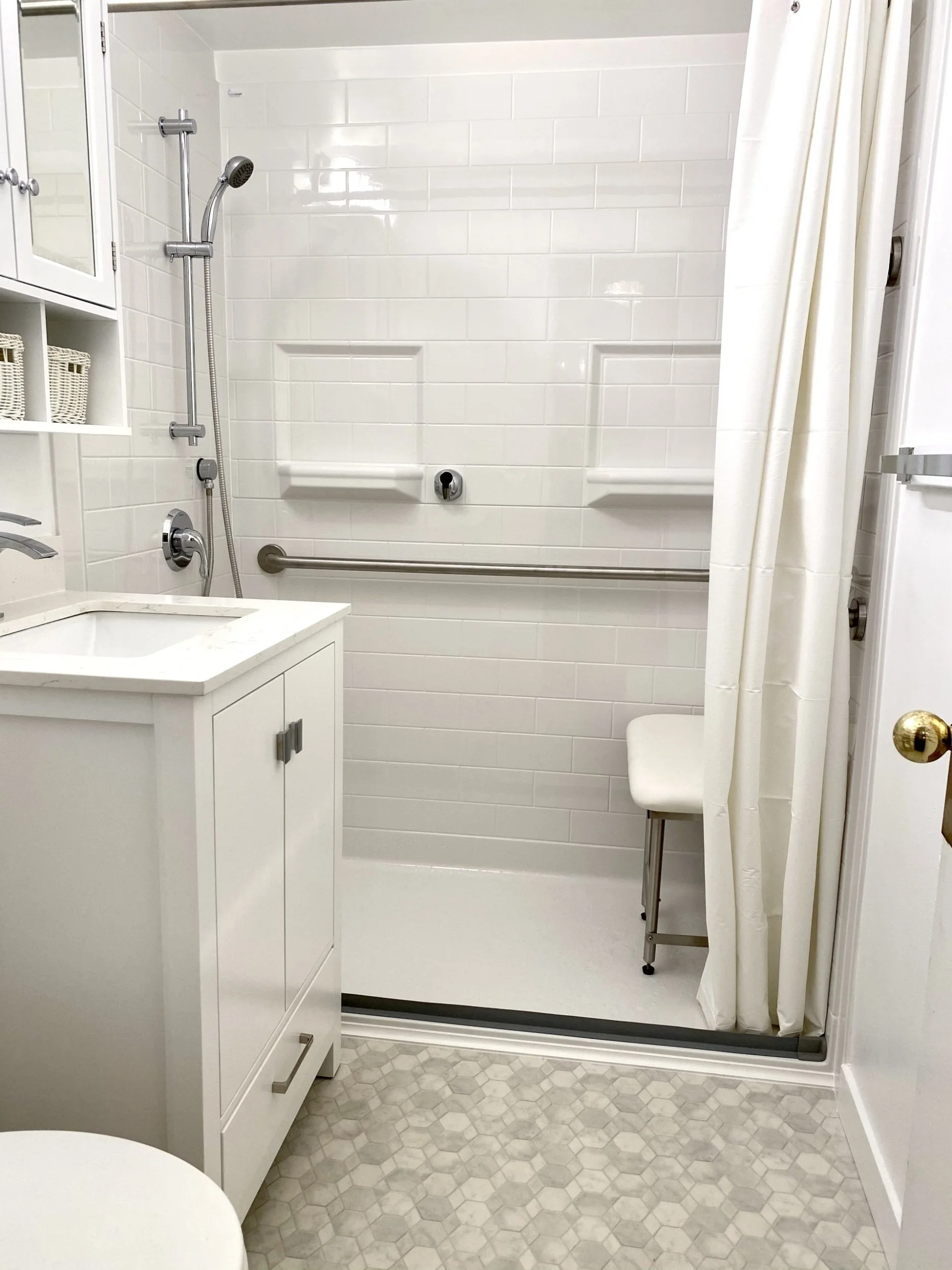
Install grab bars near the toilet and in the shower or tub
Use non-slip mats or adhesive strips in wet areas
Upgrade to a comfort-height toilet or add a toilet riser
Consider a walk-in shower or low-threshold entry
Improve lighting, especially for nighttime use
These changes can significantly reduce fall risk while making daily routines easier and more comfortable.
3. Poor Lighting: An Often-Overlooked Hazard
As vision changes with age, dim lighting becomes more than an inconvenience—it becomes a safety issue. Many falls happen simply because a step, rug edge, or object wasn’t clearly visible.
Common Lighting Issues
Dark hallways and staircases
Inadequate lighting in bathrooms and kitchens
No lighting for nighttime trips to the bathroom
Burned-out bulbs or low-wattage lighting
Simple Lighting Fixes
Install brighter LED bulbs throughout the home
Add night lights in hallways, bathrooms, and bedrooms
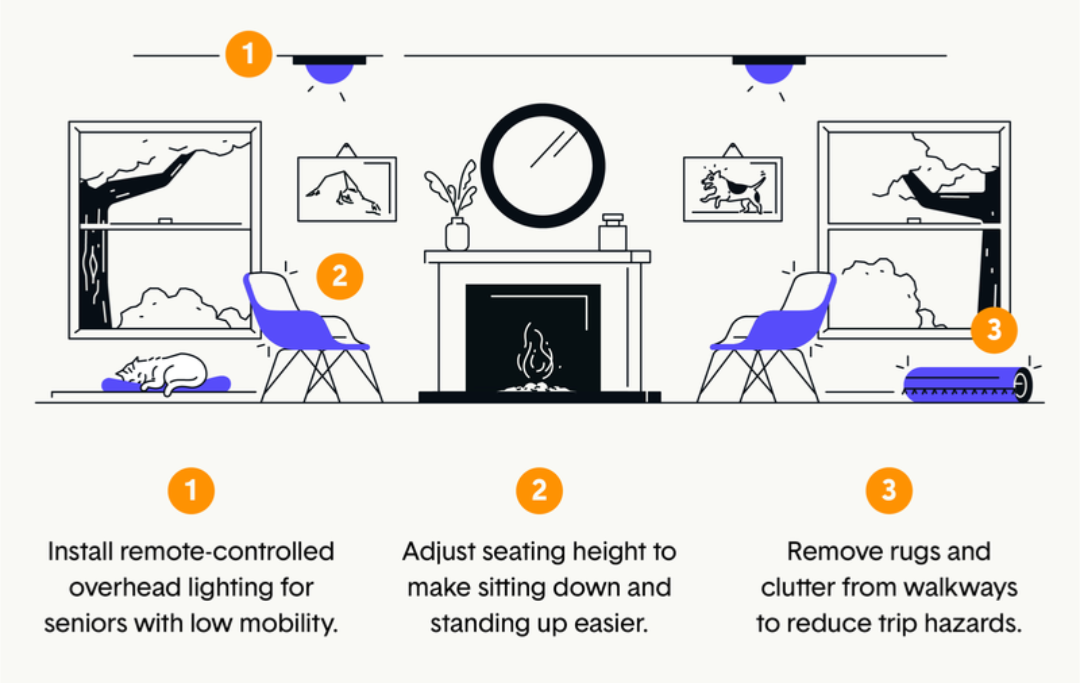
Use motion-sensor lights for stairs and entryways
Ensure light switches are easily accessible
Better lighting is one of the easiest and most affordable home safety upgrades—and one of the most effective.
4. Loose Rugs & Clutter: Hidden Tripping Hazards
Throw rugs may add charm to a home, but they’re a major tripping hazard—especially for seniors who use walkers, canes, or simply have slower reflexes.
Common Tripping Hazards
Loose area rugs
Curled rug edges
Electrical cords across walkways
Cluttered floors and narrow pathways
Simple Fixes
Remove throw rugs entirely, or secure them with non-slip backing
Tape down or reroute cords along walls
Keep walkways clear of furniture and clutter
Rearrange furniture to allow wide, open paths
Decluttering not only improves safety but also makes the home easier to navigate and maintain.
5. Why Small Fixes Matter for Aging in Place
Most seniors want to stay in their homes as long as possible. Aging in place is achievable—but only when the home adapts to changing needs.
Simple safety upgrades:
Reduce fall risk
Increase confidence and independence
Prevent injuries that can lead to hospitalization or loss of mobility
Provide peace of mind for family members
The best part? Many of these improvements are affordable and can be completed quickly by a trusted handyman or mobility specialist.
Bringing It All Together: A Safer Home, One Step at a Time
Home safety isn’t about giving up independence—it’s about protecting it.
Whether it’s installing grab bars, improving lighting, removing trip hazards, or adding a stairlift, each small change adds up to a safer, more comfortable home.
If stairs are becoming a concern, a professionally installed stairlift can eliminate one of the biggest fall risks in the home—while allowing seniors to continue living independently where they’re most comfortable.
At Central Illinois Stairlift, we offer free in-home consultations to help families explore safe, practical solutions with no pressure and no obligation. We’re here to help make homes safer—one step at a time.
Need help identifying hazards in your home?
A quick safety assessment today can prevent a serious fall tomorrow.
📞 Call or text: 309-301-1000
Central Illinois Stairlift
Central Illinois Stairlift provides expert stairlift installation across Central Illinois, offering the trusted Ameriglide Rave 2 straight stairlift for homes throughout the area. Whether you’re in Peoria, Bloomington, Springfield, Champaign, Decatur, or any surrounding Illinois communities, we can help you age in place safely with professional stairlift services. To learn more about installing a stairlift in your Illinois home, call or text 309-301-1000 for a free consultation.