How Mobility and Independence Change During Different Stages of Dementia

Dementia doesn’t just affect memory - it gradually changes how a person moves, navigates their environment, and maintains independence. For families and caregivers, understanding these changes can make a huge difference in keeping loved ones safe, comfortable, and confident at home.
In this guide, we’ll walk through how mobility and independence typically evolve during the different stages of dementia, along with practical ways to support each phase.
Early Stage Dementia (Mild)
During the early stage, many individuals are still living independently and maintaining most of their daily routines. However, subtle changes begin to appear.
What You Might Notice:
Occasional forgetfulness (appointments, names, directions)
Mild balance or coordination issues
Hesitation in unfamiliar environments
Slight decrease in confidence when walking alone
Impact on Mobility & Independence:
Mobility is generally intact, but confidence may begin to decline. Individuals may avoid certain activities, especially those that feel unpredictable or unfamiliar.
How to Support:
Encourage regular physical activity to maintain strength and balance
Keep walkways clear and well-lit
Install simple safety features like handrails
Provide gentle reminders and reassurance
Middle Stage Dementia (Moderate)
This stage often brings more noticeable physical and cognitive changes. Daily tasks become more challenging, and supervision is usually needed.
What You Might Notice:
Increased confusion and disorientation
Difficulty judging distances (stairs can become especially challenging)
Slower movement and increased fall risk
Wandering or pacing behaviors
Impact on Mobility & Independence:
Mobility becomes less reliable. Individuals may still walk but are at a higher risk of falls and accidents. Independence begins to decline as tasks like navigating stairs or moving safely around the home become more difficult.
How to Support:
Add grab bars and railings in key areas
Consider mobility aids if needed
Remove tripping hazards like rugs and clutter
Ensure consistent routines to reduce confusion
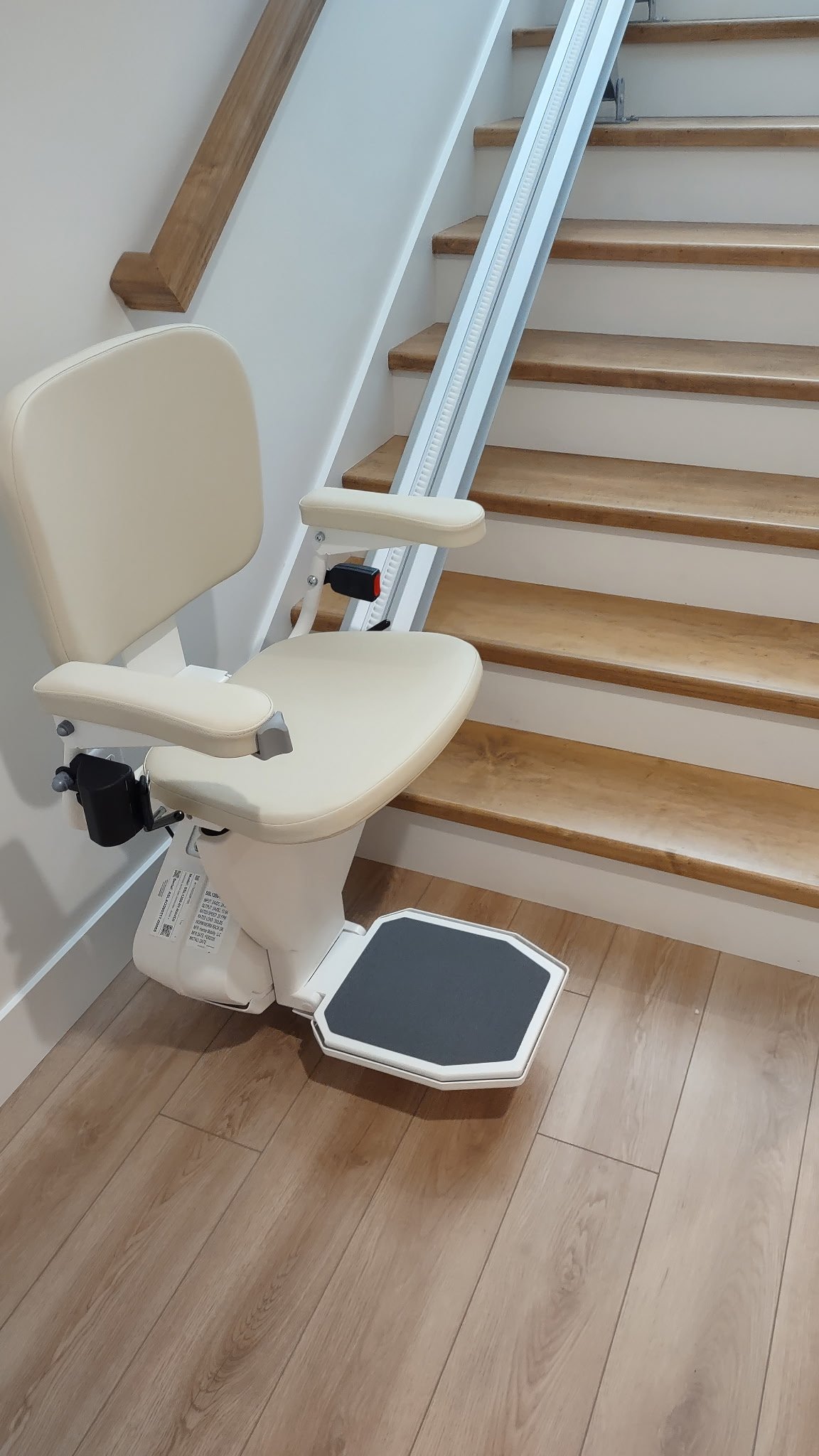
Evaluate stairs—this is often when stairlifts become especially beneficial
Late Stage Dementia (Severe)
In the later stage, physical abilities significantly decline, and full-time care is typically required.
What You Might Notice:
Limited or loss of ability to walk
Difficulty sitting, standing, or transferring
Muscle weakness and stiffness
Increased risk of falls and injury
Impact on Mobility & Independence:
Mobility is greatly reduced or lost. Individuals depend heavily on caregivers for movement and positioning. Independence is minimal, and safety becomes the primary concern.
How to Support:
Use mobility equipment such as wheelchairs or transfer aids
Maintain a safe, clutter-free environment
Focus on comfort and dignity during movement
Work with healthcare professionals for proper support strategies
The Role of the Home Environment
As dementia progresses, the home environment plays a critical role in preserving both mobility and independence for as long as possible.
Simple modifications can make a big impact, such as:
Installing stairlifts to eliminate fall risks on stairs
Adding non slip flooring on slick floors
Improving lighting throughout the home
Rearranging furniture to create clear walking paths
Ensuring there are no dangerous objects or medications easily accessible
Installing grab bars in key locations
Using necessary mobility equipment
These changes not only improve safety but also help individuals feel more comfortable and confident navigating the space.
Supporting Independence With Compassion
One of the most important things to remember is that loss of independence can be frustrating and emotional for someone with dementia. Even small efforts to maintain autonomy - like accepting their help in daily tasks - can make a meaningful difference. Focus on what your loved one can do instead of the skills they've lost.
Final Thoughts
Dementia is a journey, and mobility changes are a part of that progression. By understanding what to expect at each stage, families can take proactive steps to create a safer, more supportive, home environment.
With the right tools, planning, and support, it's possible to help loved ones maintain their independence for as long as possible.